Broward deed records can be searched through the county’s official records system, where property documents like deeds, mortgages, and liens are recorded and stored. This section explains how the Broward system works, what details appear in each record, and how users can locate verified property filings with accuracy. It covers the basic search process, common record types, and how data is indexed for fast lookup. Users can review ownership changes, document history, and filing details linked to real estate parcels. The system supports direct lookup of recorded documents using simple search fields.
Broward County maintains a centralized official records database that includes property deeds, title transfers, warranty deeds, quitclaim deeds, and recorded land documents. Each record contains key data such as owner names, recording date, document type, instrument number, and legal property description, which supports accurate property research. The system allows searches by name, date range, or document category, helping users narrow results quickly. These public records reflect real estate transactions and legal filings tied to ownership history. The database is updated with newly recorded documents, which helps users review both recent filings and archived records. This makes it a reliable source for checking property ownership history, deed copies, and land record filings.
What Are Broward County Deed Records?
Broward County deed records are legal documents that show who owns a property and how ownership has changed over time. They serve as official proof of property rights and track every transfer of land from one party to another. Deed records form the backbone of property ownership history in Broward County. These records include written agreements that transfer ownership of land or real estate from a seller (grantor) to a buyer (grantee). Each document gets recorded with the county, creating a public record that confirms who legally owns a property at any given time.
What Are Land Deeds?
A land deed is a signed legal document that transfers property rights. It contains key details about the property and the people involved.
Most deeds include:
- Names of the buyer and seller
- Property description (lot, parcel, or address)
- Date of transfer
- Signatures and notarization
- Type of deed used in the transfer
Different types of deeds serve different purposes. For example:
| Deed Type | Purpose |
|---|---|
| Warranty Deed | Offers full legal protection to the buyer |
| Quitclaim Deed | Transfers ownership with no guarantees |
| Special Warranty | Covers limited ownership claims |
These legal documents provide clarity and reduce disputes by clearly stating ownership terms.
How to Perform a Broward County Deed Search
A Broward County deed search helps users find property ownership records in the county’s records. The process runs through an official public records platform that stores deed documents https://officialrecords.broward.org/AcclaimWeb/search/SearchTypeSimpleSearch and related filings. A Broward County, FL deed search lets users locate property history using names or parcel details. The official records search system supports a structured way to review recorded deeds and ownership transfers.
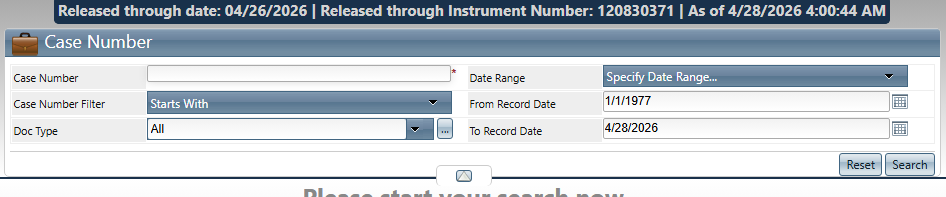
Open Official Records Search Tool
- Tool link add
- Short intro: what it does
Enter Property or Name Details
- Grantor / Grantee explain
- Parcel number option
Apply Filters to Narrow Results
- Date range
- Document type
- Name match refinement
Open Deed Record
- What does the user see inside the document
- Ownership details explanation
Types of Deeds Found in Broward Records
Property records in Broward show different types of deeds used during property transfer between parties. These real estate documents explain how ownership moves from seller to buyer or between other parties. Each deed type shows a different level of protection and legal responsibility.
Warranty Deed in Property Transfer Records
A warranty deed appears often in Broward property transfer records. It shows full ownership transfer with legal promises from the seller. The seller confirms they hold a clear title and can transfer the property without hidden claims. This deed is common in standard real estate documents for home sales. Buyers often see it in residential transactions due to stronger protection.
Points found in warranty deed records:
- Confirms full ownership transfer from seller to buyer
- Shows no known disputes on the property title
- Includes seller responsibility for past ownership claims
- Used in most standard home sale contracts
In Broward deed records, warranty deeds help confirm a clean ownership history. Title companies often review this deed before closing a property deal. It supports clear documentation of ownership transfer types in county records.
Quitclaim Deed, Mortgages, and Liens in Real Estate Documents
A quitclaim deed works differently from a warranty deed. It transfers ownership rights without promises about the property title. This type often appears between family members or known parties. It is common in simple property transfer situations where trust already exists. The document only shifts whatever interest the seller holds.
Other important real estate documents in Broward records include mortgages and liens:
| Record Type | Purpose |
|---|---|
| Quitclaim Deed | Transfers ownership interest without title protection |
| Mortgage Records | Shows loan secured by property |
| Liens | Legal claim due to unpaid debts |
Mortgage records show financial agreements tied to property ownership. Liens reflect unpaid obligations like taxes or contractor bills. These documents help track financial claims linked to real estate.
Broward County Official Records System
Broward County’s official records system keeps property and legal documents stored in a centralized recording setup managed at the county level. It holds deeds, liens, and related filings in a structured clerk database and document archive for public record keeping.
Recording System Structure in Broward County
The Broward County, FL, official records operate through a structured recording system handled by the Clerk of Courts. This recording system receives, processes, and stores property-related documents submitted by property owners, legal professionals, and institutions. Each filing goes through entry steps before it is stored in the clerk’s database. The system organizes records in a way that supports search by name, property details, or document type.
Record types stored in the system include:
- Property deeds
- Mortgage filings
- Tax liens
- Plat maps and surveys
Every document becomes part of a long-term document archive. This archive supports property verification, ownership history checks, and legal reference needs across Broward County.
Role of the Clerk in Record Management
The Broward County Clerk of Courts manages the entire recording process. Staff members receive documents, check filing requirements, and record them in the official system. The clerk’s office also maintains indexing rules so each record connects to the correct property or party name. This structure supports consistency inside the clerk database and reduces errors in record matching.
Responsibilities include:
- Receiving property and legal filings
- Assigning recording details
- Updating database entries
- Maintaining storage integrity in the document archive
The recording system stays active daily as new filings enter the county database. Each entry becomes part of the permanent public record.
How to Find Property Ownership History in Broward
Property ownership history in Broward shows who owned a property over time and how it changed hands. It reveals the full ownership chain from the first recorded buyer to the current owner. This record helps confirm title history and property lineage.
Property Ownership Timeline in Broward
A property ownership timeline shows each recorded transfer in chronological order. It tracks every sale, inheritance, or legal transfer linked to a parcel of land. In Broward County, these records come from recorded deeds, mortgage filings, and title documents. Each entry adds a layer to the ownership chain and builds a clear picture of how the property moved between parties.
Parts of an ownership timeline include:
- Original owner record
- Sale transfer dates
- Mortgage-related transfers
- Foreclosure or legal changes
- Current ownership entry
This structure helps users see property movement step by step. Each transaction adds to the title history and confirms legal property lineage. Over time, patterns appear, showing how often a property changed hands or stayed within one ownership group.
Tracing Past Owners and Title History
Past owner records show all individuals or entities linked to a property. These records are usually found in Broward deed filings and official property archives. Title history connects these owners into a complete chain. It shows the sequence of ownership transfers and helps confirm legal rights tied to the property.
Details found in title history records include:
- Names of previous owners
- Sale price history
- Transfer dates
- Type of deed used (warranty, quitclaim, etc.)
- Legal remarks tied to each transfer
This information forms the ownership chain, which is critical for verifying property lineage. Real estate professionals often review this chain to confirm that no gaps or disputes exist in the record.
Reading Ownership Chain Records
Ownership chain records connect every transaction from past to present. They show how title history builds step by step across time.
A simple breakdown of an ownership chain:
| Stage | What It Shows |
|---|---|
| First entry | Original recorded owner |
| Transfer 1 | First sale or transfer |
| Transfer 2 | Secondary ownership change |
| Recent record | Current property holder |
Each row in the chain reflects a change in property lineage. Gaps or missing entries may signal incomplete documentation or pending updates in county records.
Common Problems in Broward Deed Search
Users often face missing property records during Broward deed searches due to spelling differences, delayed updates, or indexing gaps. These issues usually come from search errors, record mismatches, and incomplete database indexing. Broward deed systems depend on accurate input and synced record updates. Even small variations in name or parcel details can affect results.
Name not found in deed search results
A missing name is one of the most common issues in property record lookups. This usually happens when the spelling does not match the official filing.
Causes include:
- Last name variations (Smith vs Smyth)
- Missing middle initials in filings
- Use of abbreviations in recorded documents
- Clerical input errors during recording
A record mismatch can also occur when ownership was recently transferred, but the update has not fully synced across systems.
Incorrect spelling in property records
Spelling issues often block accurate results in deed databases. County systems depend on exact text matching during search queries.
Frequent spelling-related search errors:
- Typing mistakes in owner names
- Parcel number entry errors
- Street name abbreviation differences
- Use of old legal names vs updated names
Even one wrong character can lead to missing results or unrelated property entries.
Outdated or delayed record updates
Some deed records take time before showing in online systems. This delay creates gaps between real-world transactions and public listings.
Typical causes include:
- Pending recording at the county office
- Batch updates in system indexing
- Older documents not fully digitized
- Transfer filings not yet processed
This leads to outdated records appearing in property lookup results.
Issue summary table:
| Problem Type | Common Cause | Result in Search |
|---|---|---|
| Name not found | Spelling mismatch | No results shown |
| Incorrect spelling | Typing or filing errors | Wrong or missing records |
| Outdated records | System update delay | Old ownership data displayed |
Alternative Ways to Search Property Records
Property details in Broward can be reviewed through more than one database system. Cross-database search methods often bring stronger results when deed records feel incomplete. Different public record systems store overlapping property data, which helps in property lookup systems.
Broward Property Appraiser records
The Property Appraiser database holds parcel details, ownership history, and assessed values. It works separately from deed recording systems.
Users often find:
- Owner names tied to parcels
- Property location details
- Market and assessed value data
- Land and structure descriptions
This system supports cross-checking when deed search results are limited.
Tax records for property verification
Tax databases show payment history and billing details tied to real estate. These records often confirm ownership patterns.
Tax record details:
- Annual tax bills
- Payment status history
- Mailing address on file
- Tax exemptions applied
Tax systems often help confirm property ownership when deed data appears incomplete.
Court records tied to property disputes
Court filings sometimes involve property disputes, liens, or ownership changes. These records can fill gaps in property history.
Types of court-linked property data:
- Foreclosure filings
- Probate records
- Ownership disputes
- Lien resolutions
This method supports broader cross-database search across public record systems.
Property record search comparison
| System Type | Data Found | Best Use Case |
|---|---|---|
| Deed Records | Ownership transfers | Legal ownership proof |
| Property Appraiser | Parcel + value details | Property valuation check |
| Tax Records | Payment history | Ownership confirmation |
| Court Records | Legal disputes | Title history review |
Fees, Copies, and Document Access
Broward deed records come with set fees for copies and certified documents. Costs vary based on document type and format requested. Most users can obtain both digital and certified copies through official record systems.
Certified copies of deed records
Certified copies carry official validation from the county recorder. These are often used for legal or financial matters.
Certified document features:
- Official seal or stamp
- Verification of authenticity
- Accepted in legal proceedings
- Full property transaction history
Certified copies usually cost more than standard printouts due to validation steps.
Typical fees for deed documents
Fees depend on document size and certification type. Below is a general breakdown:
| Document Type | Estimated Cost Range |
|---|---|
| Standard deed copy | Low fee per page |
| Certified copy | Higher fixed fee |
| Large document sets | Per-page pricing |
Prices may vary based on county record policies and request format.
Download and record retrieval options
Digital systems allow users to retrieve property documents in electronic form. These files are often available as PDFs.
Options include:
- Online file downloads
- In-person record requests
- Mail-in copy requests
- Certified digital copies (where supported)
This process supports fast document retrieval for property history checks.
FAQs About Broward Deed Records Search
These frequently asked questions help users understand how Broward deed records work and how to search them. The answers below explain public access, search options, and key legal terms in simple form.
How to find deed records in Broward County?
Broward County deed records are available through the official county recording system. These records show property ownership, transfers, and legally filed real estate documents. Users can search using names, property details, or document numbers. The system organizes records by transaction date for easy tracking. It includes deeds such as warranty deeds, quitclaim deeds, and other recorded property instruments.
Are deed records public?
Deed records in Broward County are classified as public records under Florida law. Any person can view these documents without special permission or approval. They contain property ownership details, transfer history, and recorded real estate filings. Personal sensitive data remains limited, but transaction-related information stays open. This transparency supports property verification and real estate research.
Can I search Broward deed records by address?
Broward County allows deed record searches using a property address. The system often connects addresses with parcel identification numbers for more precise results. This helps users trace ownership history tied to a specific location. It also shows past property transfers and recorded documents linked to that address. Many users rely on this method for property background checks.
What is a grantor in deed records?
A grantor is the person or entity that transfers property ownership in a deed record. This role appears in every real estate transaction recorded in Broward County. The grantor legally signs over property rights to another party, known as the grantee. Their name becomes part of the public record after filing. Grantor information helps track ownership changes over time.
How often are Broward deed records updated?
Broward deed records are updated on a daily basis as new documents are recorded with the county office. Each time a property transaction is filed, it gets entered into the official system after processing. Updates include new deeds, transfers, and corrections to existing records. Users can often see recent filings within a short time after recording. This keeps the database current for property ownership tracking and legal verification.